Legacy
Disruption is our inheritance.
Some companies chase the future. This team has spent thirty-five years building it — early, at scale, and in places others wouldn't go.
Some companies chase the future. This team has spent thirty-five years building it — early, at scale, and in places others wouldn't go.
Three times, this team saw where energy was headed before the market did — and built the infrastructure to meet it. The record isn't nostalgia. It's the strongest evidence of what happens next.
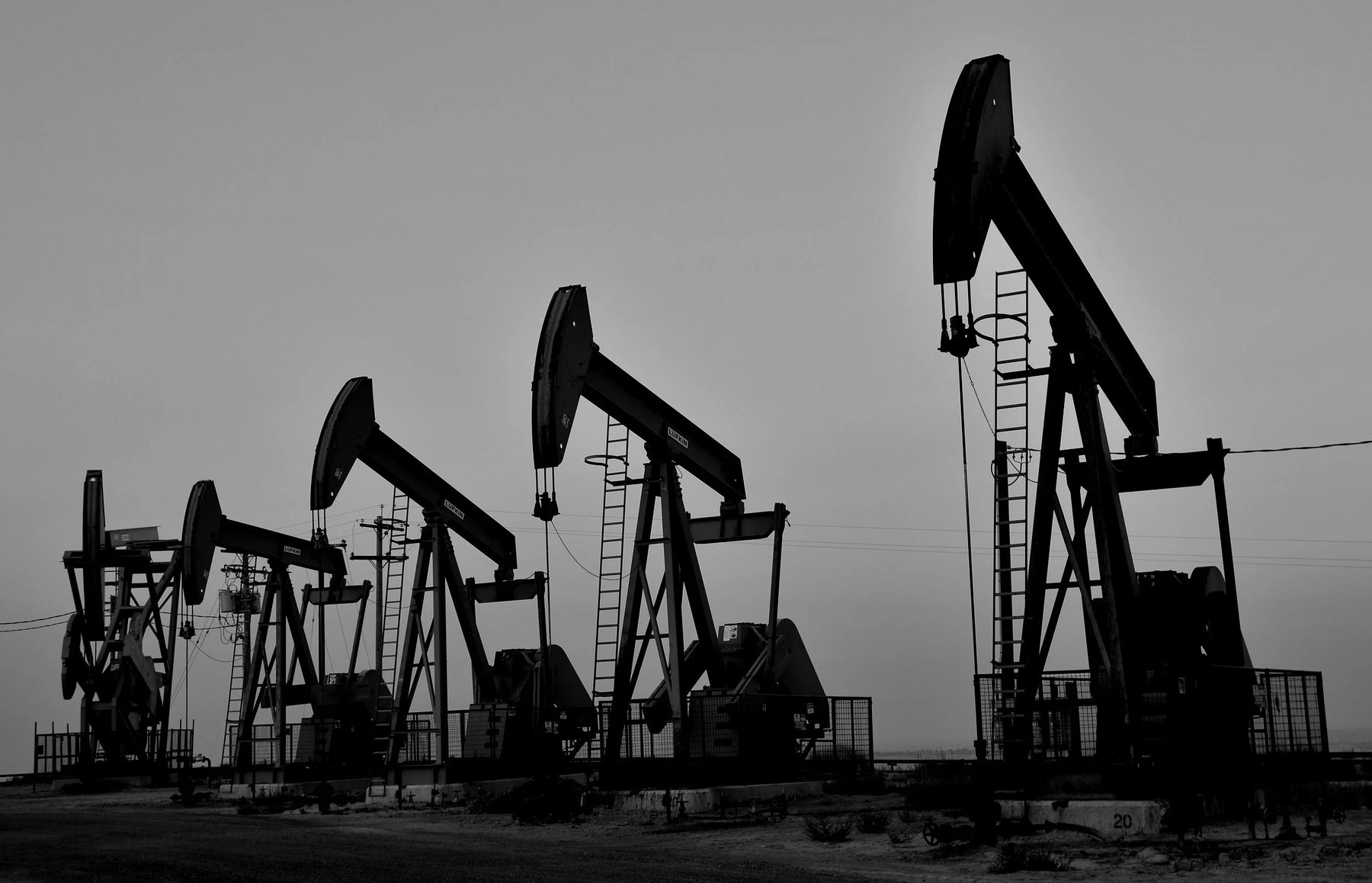
The discipline was learned in the oil patch: show up early, build to last, keep it running. It transfers.

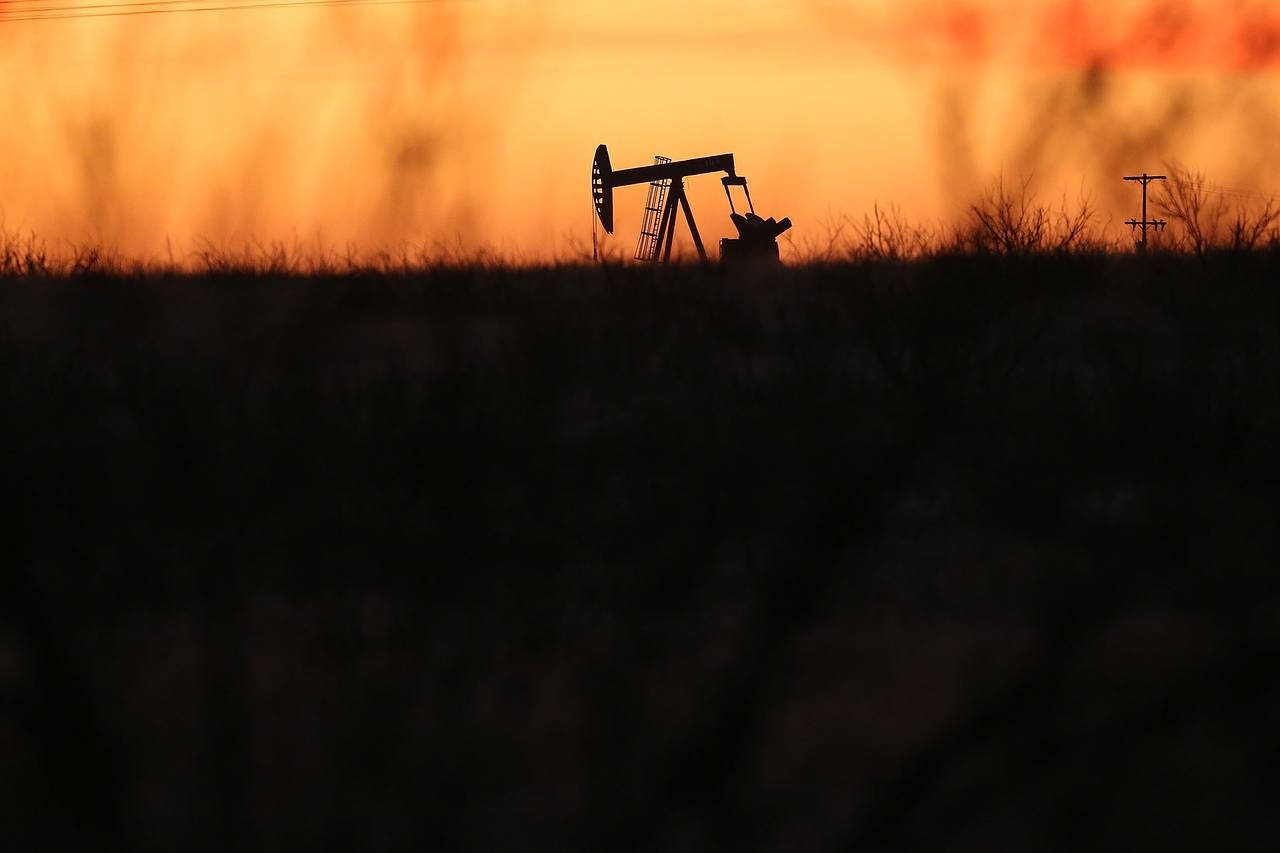
Founded by geophysicist Bud Brigham, the company pioneered 3-D seismic onshore and became one of the earliest movers in the Bakken — proving the shale thesis while others debated it.
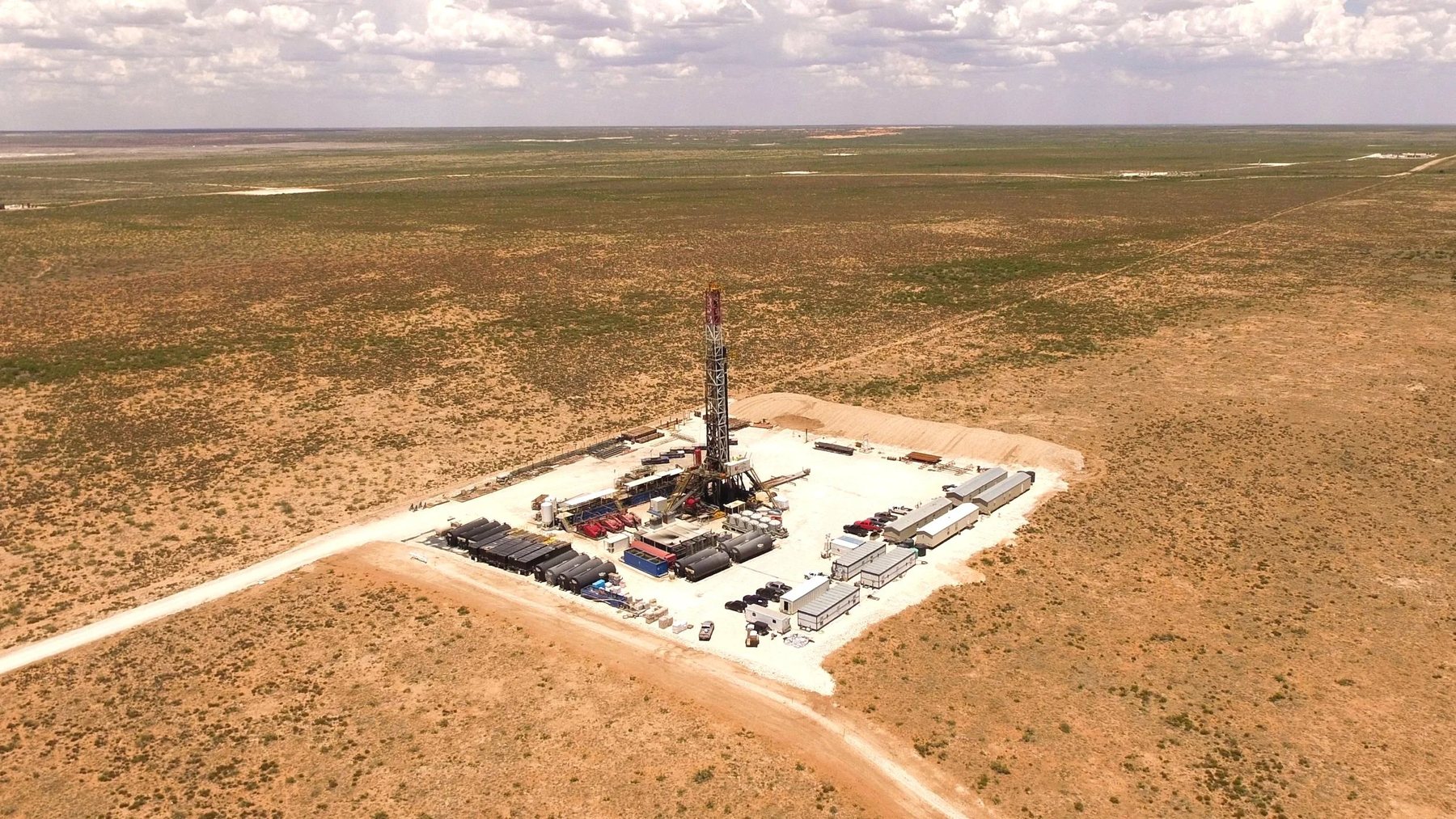
The team returned to the frontier — this time the Delaware Basin — assembling premier acreage ahead of the rush and developing it with the same operator's discipline.
A simple thesis: in-basin execution beats imported everything. Atlas built the Permian's largest proppant network, then the logistics to move it — conveyor, driverless trucks, and software included.
The fourth act is power. The same pattern — see it early, build what others won't, own the advantage — is now being applied to the defining constraint of the AI era: electricity.
From seismic data to shale, from trucking bottlenecks to grid queues — the pattern starts with recognizing the constraint before it has a name.
A 42-mile electric conveyor. A driverless fleet. A gigawatt-scale equipment reservation. Atlas commits capital to hard infrastructure while competitors wait for certainty.
Atlas keeps the assets on its balance sheet and operates them for decades — turning early conviction into durable, contracted cash flow.
3-D seismic pioneers on land; early conviction in unconventional resources.
A landmark validation of the Bakken thesis and the Brigham method.
A premier southern Delaware Basin position — built early, developed fast, and sold for $2.55 billion.
The in-basin thesis: sand mined where it's pumped, delivered by infrastructure nobody else would build.
Public debut as the Permian's in-basin proppant and logistics leader.
Atlas becomes the largest proppant producer in North America — 14 facilities strong.
The world's longest conveyor of its kind comes online alongside the first commercial driverless RoboTruck routes.
A $220M platform acquisition — decades of distributed, remote-site power generation join the Atlas family.
Roughly $840M of generation equipment secured through 2030, before the market could tighten.
A 5-year agreement with an investment-grade technology infrastructure customer. Bridge power already onsite.
The stated ambition — a private-power platform at utility scale, built the Atlas way.
Atlas is founder-led and operator-run. The people who proved the shale era, the in-basin era, and the automation era are the same people now committing the company to the power era — with their own capital conviction behind it.
That continuity is the promise: the next generation of American infrastructure, built by people who have done it before and intend to be judged by what they leave behind.

See how three decades of infrastructure discipline become the private power platform for the AI era.