Innovation
The proving ground.
Forty-two miles of electric conveyor. Driverless trucks in commercial service. Software that dispatches itself. This is what disruption looks like when it ships.
Forty-two miles of electric conveyor. Driverless trucks in commercial service. Software that dispatches itself. This is what disruption looks like when it ships.
Innovation at Atlas isn't a lab or a slide. It's commissioned infrastructure — operating today in the hardest environment in American industry, and proving the systems that will run the power business tomorrow.
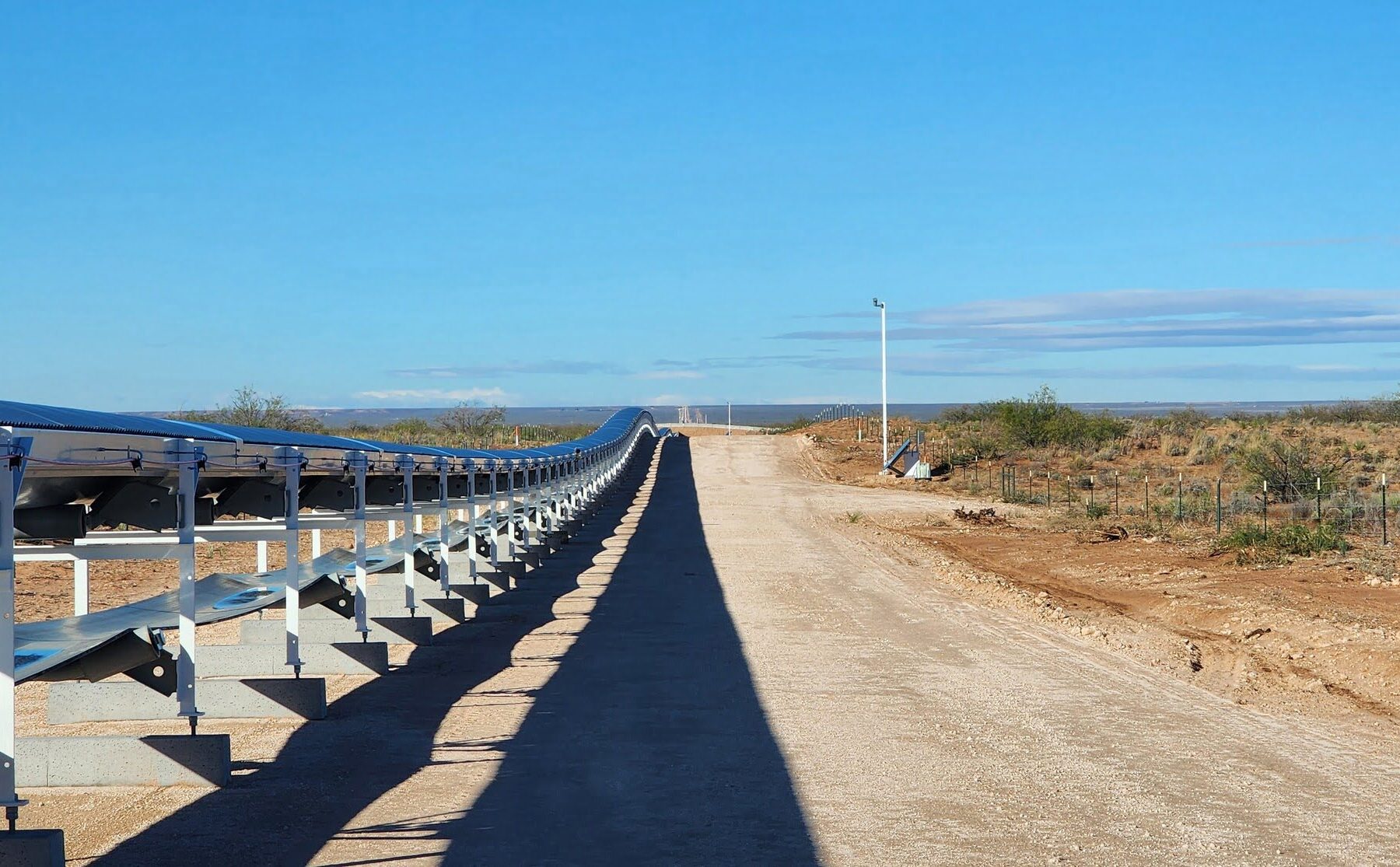
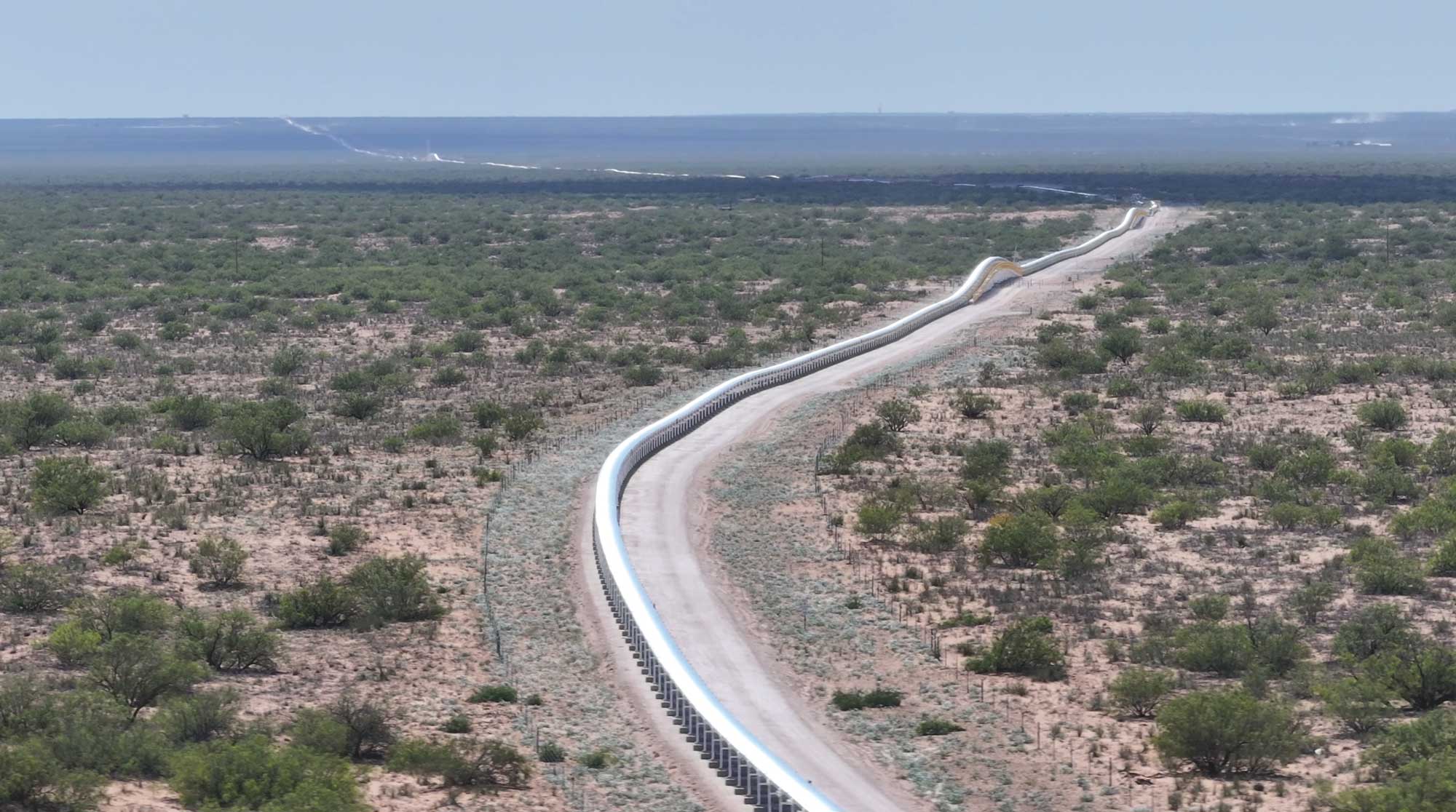
The world's longest overland conveyor of its kind — 42 miles of fully electric infrastructure carrying sand from the Kermit dunes across the state line, quietly, continuously, around the clock.
It removes millions of truck miles from public roads, cuts emissions and traffic risk for the communities around it, and delivers with a reliability no fleet could match. Nobody else attempted it. Atlas built it.
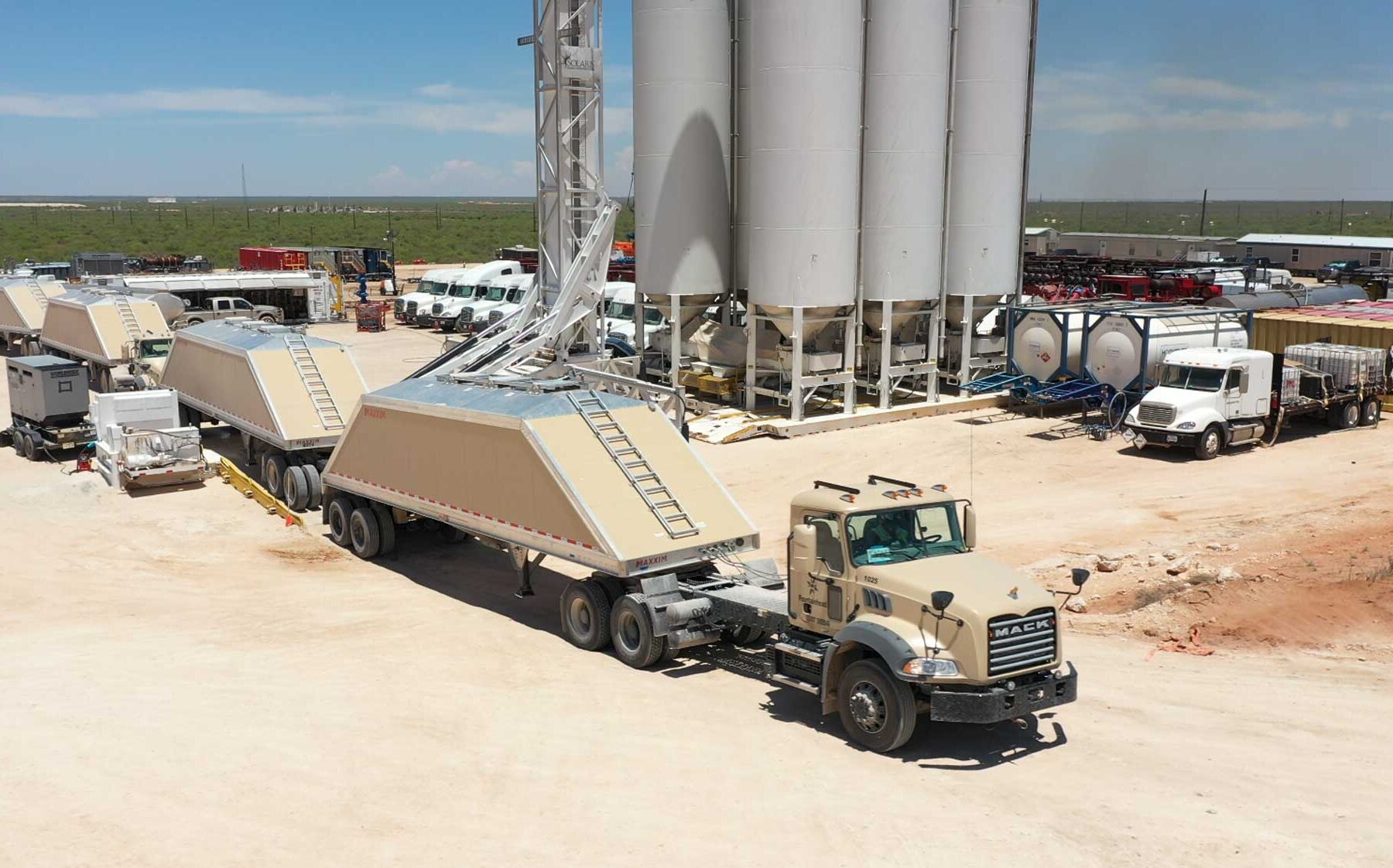
Atlas is the first company anywhere to own and operate driverless commercial trucks — not a pilot, not a demo. Real freight, real routes, delivered daily in partnership with Kodiak Robotics.
The fleet runs the last miles the conveyor can't, through heat, dust, and distances that strain human logistics — and every mile makes the autonomy stack smarter. The order book is scaling toward a 100-truck fleet.
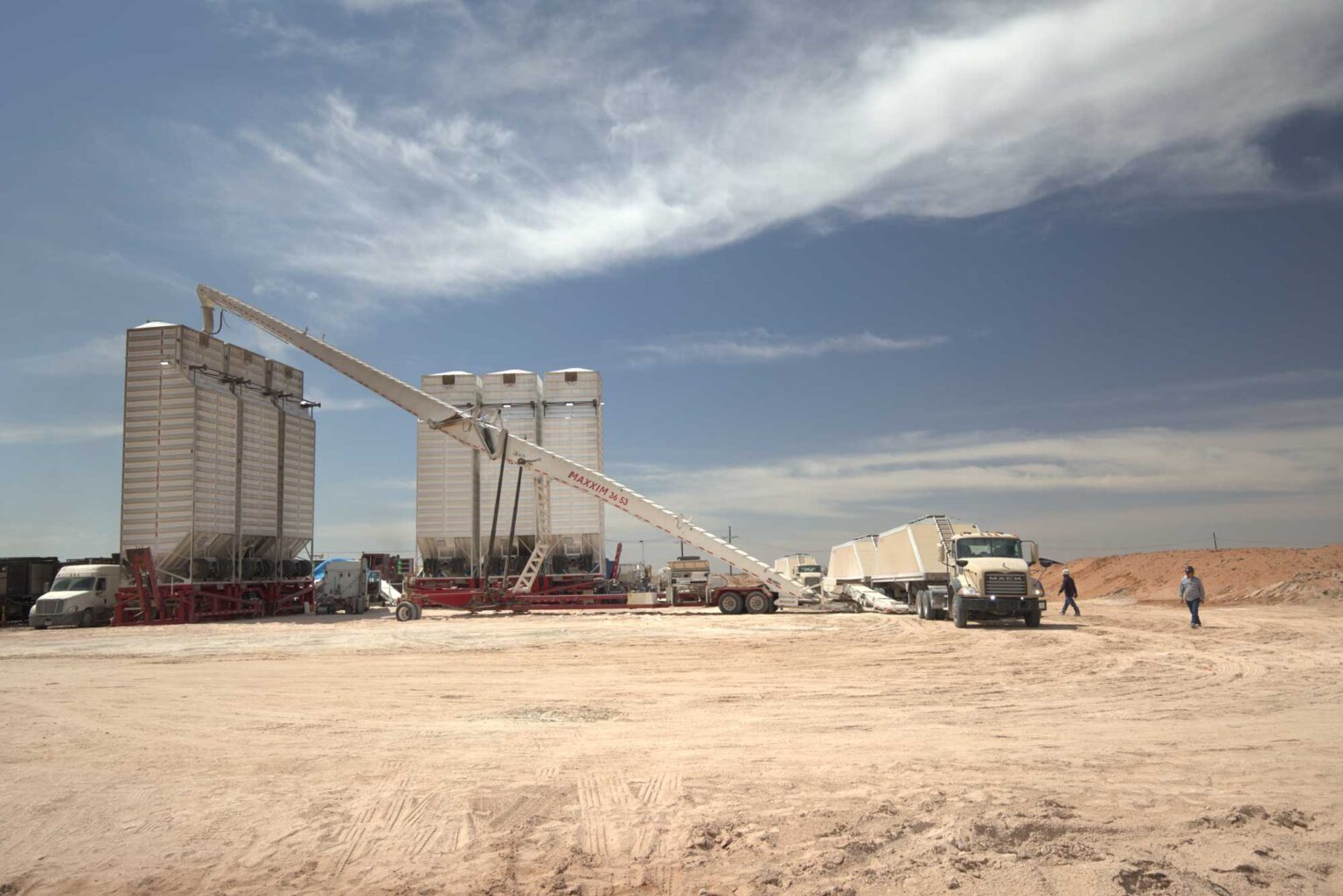
Opti Ordering and Opti Dispatch monitor wellsite inventory in real time and schedule, optimize, and dispatch deliveries autonomously — no phone calls, no guesswork, no downtime.
It's the quiet layer that makes the physical network intelligent: live telemetry in, decisions out, around the clock.
Remote telemetry. Autonomous operations. Uptime as a culture. The same systems that run a 42-mile conveyor and a driverless fleet are exactly what it takes to run private power plants — monitored around the clock, in remote places, for customers who can't afford a dark hour.
Every conveyor mile and driverless route sharpened the systems now running Atlas private grids.